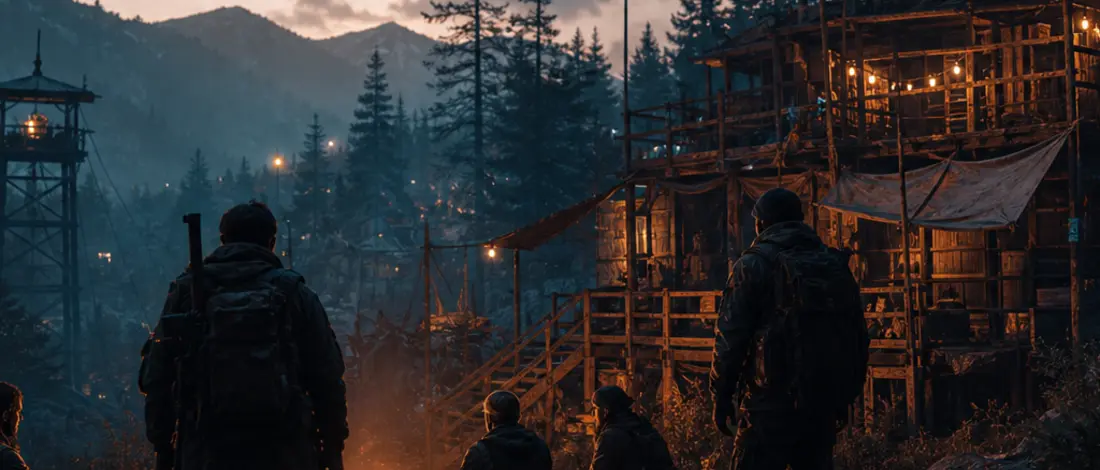
A lot of co-op runs fall apart for one simple reason: everyone is busy, but nobody is truly responsible for anything. If you want your group to play like a real survival squad instead of a pack of well-armed improvisers, roles matter. Clear jobs turn messy looting, panic crafting, and last-second revives into a plan your team can actually execute when pressure spikes.
Why Every Survival Squad Needs Defined Roles
A strong survival squad works faster because each player knows what to do before the danger arrives. Role specialization improves efficiency by cutting down wasted movement, duplicated tasks, and those moments where three players are looting the same room while nobody watches the flank. It also improves safety. When one person is committed to healing, one to scouting, and one to defense, your team makes better decisions because the basics are always covered.
Teams with defined responsibilities gather resources faster, defend better, and recover from mistakes with less drama. If a scout gets ambushed, the defender knows where to rotate. If the builder runs low on materials, the gatherer already has a route. Compare that to random multitasking, where everybody reacts to emergencies but nobody prevents them. The goal in co-op survival games is not to look busy. The goal is to survive the game, and roles give every action a purpose tied to that objective.
Core Roles That Make a Co-Op Survival Team Work
Most co-op teams naturally drift toward a few core jobs, even if they never name them out loud. Calling them out helps because it turns vague expectations into repeatable habits. Some games let one player cover multiple duties, while others, especially a harsher survival game mode, reward tighter specialization.
- Scout: checks routes, marks threats, spots loot, and warns the team before a fight starts.
- Builder: places defenses, repairs structures, upgrades key positions, and keeps the base functional.
- Medic or support: tracks healing supplies, revives quickly, and keeps wounded players in the fight.
- Defender: holds chokepoints, protects builders and medics, and anchors the team during waves or sieges.
- Leader or shot-caller: sets priorities, decides when to push or retreat, and keeps everyone on the same plan.
- Resource gatherer: farms essentials, manages carry space, and feeds the team’s crafting and ammo economy.
In moment-to-moment gameplay, these roles are practical, not theoretical. A scout is not just “the fast player”; they are the reason the team does not walk into a boss patrol. A builder is not just “the crafting person”; they are the reason your fallback point exists when night hits. In duos and trios, essential jobs usually collapse into hybrids like scout-gatherer or defender-builder. In larger groups, you can afford a dedicated medic and a true leader, which usually makes the whole team more stable.
How to Assign Roles Based on Player Strengths
The best role system starts with how your friends actually play, not with what sounds good on paper. The player with sharp aim and high risk tolerance often fits scouting or point defense. The player with strong map awareness and calm communication usually makes a reliable leader. Someone patient, organized, and detail-focused may be your best builder or crafter. If a teammate always notices missing meds, low ammo, or bad positioning, they are probably a natural support player.
Assign jobs around loadouts, class abilities, crafting knowledge, and preferred playstyle. A shotgun tank should not be your long-range recon unless they genuinely enjoy that job. Likewise, forcing your quiet friend to be the shot-caller can create frustration for them and confusion for everyone else. Bad role matches weaken the whole team because players hesitate, ignore their tasks, or overcompensate in fights.
- Casual groups: keep it simple with “one scout, one builder, everyone else flexes.”
- Competitive squads: define exact duties, routes, backup calls, and who owns which resources.
- Mixed-skill friends: give experienced players high-information roles like leader or scout, and assign newer players stable jobs like gathering, ammo support, or base repair.
How Roles Shift Across Early, Mid, and Late Game
Roles should never stay frozen from spawn to final objective. Early game is about speed and stability: scouting safe routes, collecting basic resources, and setting up first defenses before the map gets hostile. Your gatherer matters more here because every scrap, herb, battery, or board can decide whether the team reaches momentum or falls behind. The leader’s job is usually light in this phase: pick a direction, avoid bad fights, and make sure nobody splits too far.
Mid game changes everything. Once your team starts upgrading gear, expanding a base, or moving deeper into dangerous zones, roles become more specialized. The builder may need protection while placing traps or reinforcements. The scout shifts from simple route checking to threat tracking and objective planning. The resource player starts focusing less on random loot and more on what the squad specifically needs next: ammo, meds, fuel, or upgrade materials.
Late game is where weak structure gets exposed. Stronger enemies, boss mechanics, or final extraction timers demand tighter leadership, layered defense, and reliable healing. A good survival squad stays flexible here. If your scout goes down, somebody else must instantly take over callouts. If your base gets breached, your builder may become a defender. The best teams reassign roles as the situation changes instead of clinging to old labels while everything burns.
Communication Habits That Help Teams Survive the Game
Good roles only work when communication is short, clear, and tied to responsibility. Your team does not need constant chatter. It needs useful callouts that tell the right player what matters right now. That means enemy pressure, low resources, medical needs, and retreat timing should be announced fast and in simple language.
- Call enemy direction and type: “Two runners north wall” or “Sniper on roof east.”
- Report resource status: “Low ammo on defense” or “Need metal for repairs.”
- Flag support needs early: “Medic to main gate” is better than “I’m down” three seconds later.
- Confirm movement timing: “Pull back after this wave” or “Push objective on my mark.”
Role-based comms reduce overlap because players know whether a message is for them. Before a base move, boss fight, or night defense phase, do a five-second check-in: who has meds, who is holding the rear, who is carrying build mats, and who calls retreat. A leader or shot-caller is valuable here, but they should align the team, not micromanage every reload. The point is to help the group survive the game, not drown it in noise.
Common Mistakes Squads Make When They Ignore Roles
When teams ignore roles, the same problems show up over and over. Everybody wants loot, so nobody watches the perimeter. Everybody assumes someone else brought healing, so the squad collapses after one bad push. Crafting gets duplicated, rare materials get wasted, and defenses stay half-finished until enemies are already inside.
- Everyone leaves to loot at the same time.
- Nobody is clearly responsible for healing or revives.
- Perimeter defense gets ignored while players tunnel on kills or crafting.
- Multiple teammates craft the same item while another critical need goes unmet.
- No one owns retreat calls, so the team withdraws too late or not at all.
These mistakes waste resources and create panic during high-pressure moments, especially in a punishing survival game mode where recovery options are limited. Warning signs are easy to spot if you know what to look for: repeated shortages, constant friendly overlap, teammates asking “Who has meds?” every fight, or a base that never seems fully defended. If small errors keep turning into wipes, your team does not need more effort. It needs structure.
Building a Flexible Role System for Different Games and Team Sizes
Not every co-op game asks for the same role setup. A base-building survival title leans hard on builders, gatherers, and defenders. Extraction games prioritize scouting, pathing, inventory control, and clean retreat calls. Wave defense modes reward dedicated anchors and support players. Open-world exploration often needs flexible hybrids because long travel, crafting, and surprise combat all happen in the same session.
Smaller teams should think in combinations, not strict specialties. In a duo, one player might handle scouting and resources while the other focuses on defense and crafting. In a trio, a common setup is scout-gatherer, builder-defender, and leader-support. Larger groups can afford true specialists, which usually raises efficiency, but only if everyone still understands the basics of other roles.
Treat roles as a framework, not a cage. Your system should help your team adapt to the game, the map, and the skill level in the lobby. The most effective squads are not the ones with the fanciest labels. They are the ones where every player knows their current job, knows who covers the gaps, and can swap responsibilities the moment the plan changes.
If your co-op sessions feel chaotic, start small: assign a scout, a support player, and one person to make final calls. That alone can turn a messy group into a more reliable team. As your coordination improves, build a role system that fits your favorite game and your friends’ strengths. Do that, and your next match will feel a lot less like reacting to disaster and a lot more like playing as the survival squad you meant to be.