The survival-game enemies that stay with you are rarely the ones with the biggest numbers. They are the ones that interrupted a plan, turned a safe route into a bad idea, or forced a panicked decision you still talk about with friends afterward. Across games as different as Valheim, Ark, and Terraria, the most memorable threats are built less like disposable mobs and more like pressure systems. They make you scout, prepare, and second-guess yourself before the first hit ever lands.
Why the best survival enemies and valheim enemies feel like problems, not just health bars
Valheim enemies are a good starting point because they show how memorability comes from a mix of danger, surprise, and the story the player builds around the encounter. A foe becomes memorable when it does more than drain health. It changes your route through a biome, forces a gear swap, or makes your group argue about whether you should push farther before night falls.
That is the key difference between a generic enemy and a survival-game classic. A generic enemy asks, “Can you out-damage me?” A memorable one asks, “Did you bring the right food, pick the right terrain, and leave yourself an exit?” In survival games, tension starts long before contact. The sound of something nearby, a bad weather shift, or a suspiciously open patch of ground can already put the player on edge.
- Ark frames enemies as roaming ecosystem threats that can ruin travel plans.
- Terraria turns visual clarity and attack rhythm into instant enemy identity.
- Valheim makes combat feel heavy enough that even ordinary encounters can spiral.
Mechanics that force decisions are what make valheim enemies hit harder
What makes Valheim combat stick in the mind is that the game ties enemy pressure to survival systems you are already managing. Stamina is the obvious example. A boar is not scary because of raw damage, but because overcommitting to swings, blocking at the wrong time, or sprinting uphill can leave you helpless. The best valheim enemies punish greed and panic in different ways. Some catch you mashing attacks. Others punish the desperate backward retreat that empties your bar and kills your timing.
That is why simple foes remain relevant for longer than players expect. Terrain matters, spacing matters, and damage type matters. A skeleton in a cramped burial chamber feels different from one caught outside with room to kite. A troll is memorable not just because it hits hard, but because it teaches you exactly how much the environment matters when a big reach weapon meets bad footing. Those encounters stay with players because they test judgment, not just DPS. You remember the swamp disaster where you wore the wrong gear and got cornered far more vividly than any clean, easy kill.
AI behaviors in ark survival ascended turn wildlife into actual predators
In ark survival ascended, enemy memorability comes from behavior. The game is full of creatures that do not feel like waiting targets placed for your convenience. Pursuit range, speed differences, vertical movement, and pack behavior all help sell the idea that the world contains animals with agendas. That matters because unpredictability in open-world survival is usually scarier than raw damage. A threat you can perfectly script around is manageable. A threat that reads your bad position and pushes it becomes a story.
The best ark survival ascended moments happen when enemy behavior changes your plan entirely. Suddenly a river crossing is no longer safe because something aggressive patrols the shore. A resource run becomes a rescue mission because a pack chased your mount farther than expected. Base placement changes because an area is not merely rich in resources, but annoyingly exposed to roaming pressure. That is where reactive AI earns its keep: it creates the priceless survival anecdote that begins with “I thought I was fine until…”
- Pack attackers make one bad aggro decision snowball instantly.
- Fast pursuers force route planning instead of straight-line escape.
- Creatures with strong mobility turn cliffs, water, and chokepoints into real tactical factors.
Terraria enemies prove silhouette, sound, and attack tells do half the design work
Terraria enemies are a reminder that memorable design does not require photorealism or elaborate animation. In a 2D game, readability is everything. Silhouette, movement style, and attack rhythm tell the player what kind of trouble is coming before the first hit connects. That instant recognition is powerful. You know danger not because the game pauses to explain it, but because the enemy announces itself through shape and behavior.
Sound and timing complete the picture. A good tell feels fair enough that you can learn it, but nasty enough that mistakes still hurt. That balance is why terraria enemies feel personal despite the side-on perspective. You are not just fighting sprites; you are reading patterns, baiting attacks, and reacting to tempo. When an enemy has a distinct approach arc or projectile cadence, the player starts forming memory around the encounter. “That thing always catches me when I jump too early” is the kind of specific frustration that turns into respect, and eventually mastery.
Lore and environmental staging are the secret sauce behind unforgettable encounters
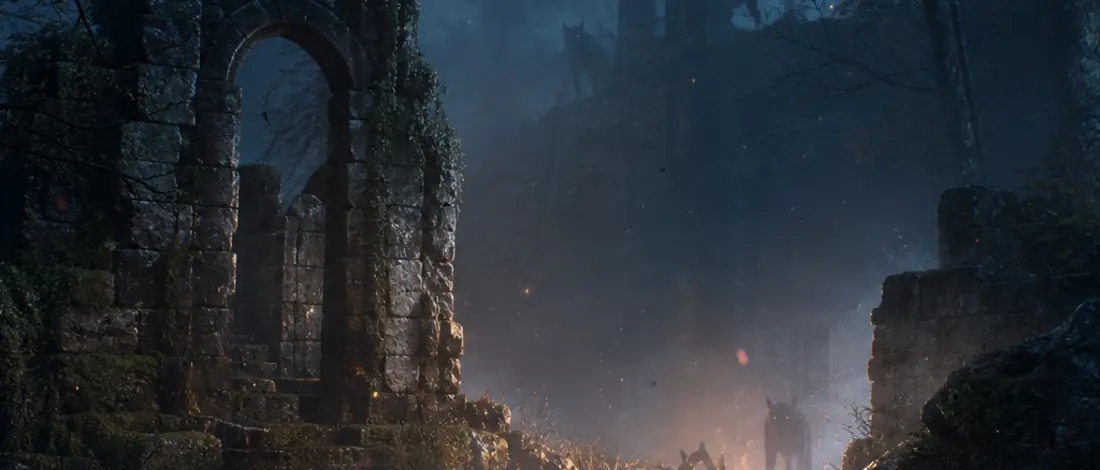
Enemy design gets a huge boost when the world is helping with the sell. Players often remember where they met a threat almost as clearly as the threat itself: the swamp at dusk, the cave with just enough room to be uncomfortable, the shoreline that looked peaceful until it absolutely was not. Biome mood, weather, ruins, and spawn context all create the sense that an enemy belongs there instead of being dropped in by a level designer.
Valheim is especially good at making the environment feel like a co-designer. Fog, darkness, and rough terrain turn ordinary danger into layered danger. Terraria does it through progression spaces and event framing, where location and atmosphere make enemies feel tied to a world state. Ark survival ascended leans into ecological staging, making some creatures memorable because they inhabit places that already feel risky. When lore and environment line up, the encounter stops being just combat and starts feeling like discovery with consequences.
Risk versus reward is where enemy design stops being scary and starts being compelling
Pure fear does not sustain a survival game for long. What keeps enemies relevant is the reward structure around them. A dangerous creature is interesting once because it surprised you. It becomes compelling when its drops, progression gate, or territory make engagement worth the risk. That is when avoidance turns into intentional hunting, and fear evolves into a longer relationship with the enemy.
The best examples across these games follow that arc cleanly. Early on, you avoid a biome gatekeeper because the math is terrible. Later, you return with the right prep and start farming it because the payoff matters. In Valheim, better food, gear, and crafting goals reshape your confidence. In terraria enemies often transition from chaos sources into reliable farming targets once your build catches up. In ark survival ascended, creatures you once detoured around can become targets because they control space, resources, or taming opportunities. The strongest enemy design supports both emotions: “not yet” and “I need this.”
What Ark, Terraria, and Valheim each teach about enemy archetypes that actually last
If you line these games up, the durable archetypes are easy to spot. Roamers create ambient tension because they can appear almost anywhere and punish autopilot. Ambushers are memorable because they weaponize player assumptions about safety. Swarms create panic and make positioning matter more than individual stats. Siege threats attack structures, routes, or group coordination rather than just a health bar. Biome gatekeepers tell the player, in no uncertain terms, that preparation is progression.
Different archetypes also shine in different play styles. Solo players tend to remember ambushers and biome checks because those enemies expose personal habits. Co-op groups remember swarms and siege pressure because those create communication failures, heroic saves, and blame-worthy mistakes. Years later, the enemies players still talk about usually share the same traits: clear identity, meaningful counterplay, strong world fit, and the power to derail a plan. That is the sharp takeaway from Valheim, Terraria, and Ark alike: the most memorable enemies are designed as world events, not disposable mobs.
- Roamers make travel uncertain.
- Ambushers turn confidence into panic.
- Swarms create stories through chaos and teamwork.
- Siege threats attack what players have built, not just who they are.
- Biome gatekeepers make preparation feel like part of combat.