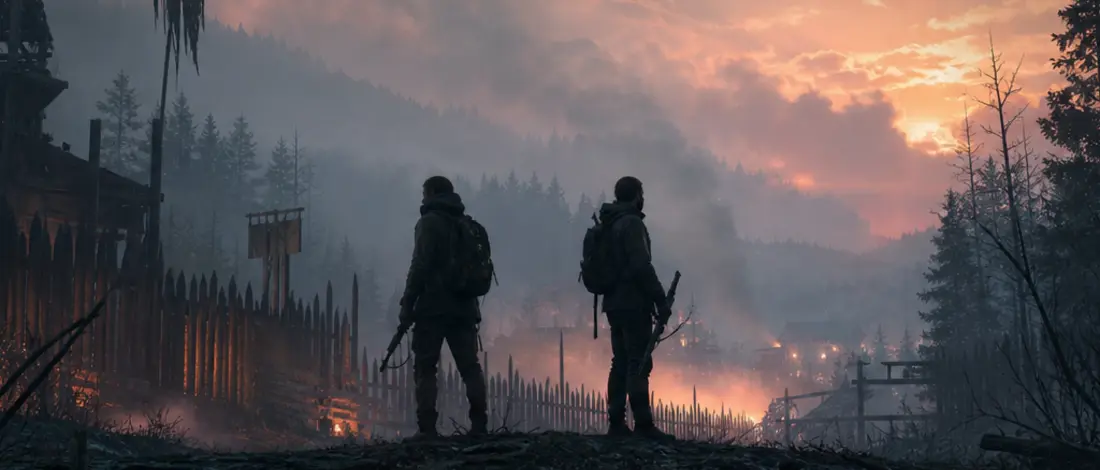
In survival multiplayer, one ruleset can turn the same map from a chill co-op sandbox into a nonstop paranoia simulator. Choosing between PvE and PvP is not just about combat preference. It changes how you gather, build, trust other players, and decide what kind of stories you want your sessions to create.
Why the PvE vs PvP Choice Matters in Survival Multiplayer
The moment you join a pvp server, the entire survival loop changes. Wood, stone, weapons, walls, and even where you log off suddenly matter in a different way because real players can become the biggest threat on the map. In PvE, that same loop often feels steadier and more predictable, with danger coming from the environment, AI enemies, or survival systems rather than human ambushes.
This choice affects more than combat. It shapes progression speed, stress level, teamwork, and replay value. PvE usually gives you room to learn the game, build something impressive, and recover from mistakes without losing everything overnight. PvP creates tension and memorable rivalries, but it also adds pressure that can make every farming run feel like a gamble.
For some players, that pressure is the whole point. For others, it turns a relaxing survival game into a second job. The better mode is not the one with the most action on paper. It is the one that matches your goals, your available time, and the kind of experience you want to come back to week after week.
What PvE and PvP Actually Mean
PvE means player versus environment. The game challenges you with AI enemies, harsh weather, hunger, disease, bosses, or dangerous biomes. PvP means player versus player, where other humans can attack, raid, steal, ambush, or outplay you directly. If you have ever typed the phrase pvp mean into a search bar, the simple answer is that PvP is any mode where the real danger comes from other players, not just the world itself.
In survival games, both modes often exist side by side. You might explore radioactive zones, fight creatures, and gather rare resources in PvE systems, while also defending your base or contesting loot routes in PvP systems. Some games split these into separate servers, while others mix them with safe zones, raid windows, or optional combat flags.
That overlap matters because survival multiplayer is rarely pure in practice. Even a peaceful server can still feel dangerous if the environment is brutal, and even a competitive server still requires farming, crafting, and exploration. The difference is which threat the rules tell you to respect most.
PvE vs PvP: The Core Differences That Change Gameplay
The biggest difference is the source of challenge. In PvE, enemies tend to be learnable. Once you understand their behavior, the game becomes about preparation, gear checks, and map knowledge. In PvP, the threat is human unpredictability. A skilled opponent can bait, camp, bluff, raid at the perfect time, or punish habits that would be totally safe against AI.
Progression also feels different. PvE usually allows faster long-term progress because your resources are safer and your base is less likely to be wiped by a rival clan. That means more freedom to experiment with building, crafting, and exploration. PvP often slows that down because you must invest time in defense, hidden stashes, scouting, and replacing losses after fights or raids.
Social dynamics shift just as hard. PvE encourages cooperation, trading, and community events because strangers are usually potential allies. PvP creates rivalry and negotiation, but also suspicion and betrayal. That can lead to incredible emergent stories, yet it can also make casual play much harder if you are not ready to treat every encounter like a risk assessment.
Pros and Cons of PvE in Survival Multiplayer
PvE is often the most approachable way to enjoy survival multiplayer. It lets you explore dangerous areas, learn systems at your own pace, and build with friends without constant fear that another squad will erase your progress while you are offline. For builders, role-players, and co-op groups, that stable foundation can be more rewarding than endless combat.
- Pros: lower frustration, easier learning curve, more relaxed exploration, stronger community feel, and more freedom for large building projects.
- Cons: lower tension, fewer mind games, less political drama, and sometimes weaker long-term excitement once core systems are mastered.
That is why PvE tends to suit beginner-friendly and community-focused servers so well. It keeps the spotlight on survival systems, progression, and shared goals. The tradeoff is that some players eventually miss the adrenaline spike that comes from knowing another team could change the entire session in seconds.
Pros and Cons of PvP in Survival Multiplayer
PvP thrives on high stakes. A good fight, a successful defense, or a clever ambush creates stories that players remember for months. When a pvp server is active and reasonably fair, every supply run matters, every base location is a strategic choice, and every alliance feels valuable because it might break at any time.
- Pros: intense adrenaline, emergent stories, meaningful mastery, stronger strategy, and constant replay value through rivalry and shifting power.
- Cons: griefing, wipes, steep learning curves, time pressure, and the feeling that you are always one bad logout away from major losses.
Those weaknesses are real. PvP can punish casual schedules, especially if raid rules are loose or dominant groups control the map. That is why one player's dream server is another player's uninstall moment. The typical pvp server experience is exciting precisely because it is unstable, but that same instability can burn people out fast.
Who Should Choose PvE and Who Will Enjoy PvP More
PvE is usually the better fit for casual players, builders, role-players, and friend groups that want steady progress without daily setbacks. If your fun comes from designing bases, exploring the map, optimizing farms, or surviving together against the world, PvE gives you more room to enjoy those goals without constant disruption.
PvP fits players who enjoy risk, adaptation, and competition. Streamers, high-hours grinders, and strategy-heavy players often prefer it because human opponents create better spectacle and deeper mind games than AI. If you like scouting enemy behavior, contesting territory, and turning preparation into an advantage, a well-run pvp server can feel unmatched.
There is also a middle ground. Hybrid servers with limited raid windows, safe zones, or event-based combat work well for players who want some conflict without nonstop punishment. If full PvP sounds exciting in theory but exhausting in practice, that middle lane is often where people discover what they really enjoy.
How to Pick the Best PvP Servers Without Ruining the Fun
The best pvp servers do not just have full populations and lots of action. They balance fairness, activity, and clear enforcement. A server can be busy and still feel miserable if admins are absent, raid rules are vague, or wipes happen before newer players have time to settle in.
Before committing, check the basics that most players ignore until it is too late:
- Wipe schedule: frequent wipes keep things fresh, but can make progress feel disposable.
- Raid rules: offline raiding, raid windows, and damage limits drastically change the mood.
- Population: too low feels empty, too high can become a zerg-fest.
- Mods and rates: boosted loot and quality-of-life mods can make PvP more accessible.
- Admin quality: active moderation matters more than flashy server branding.
- Community fit: skill level, clan size, and playtime expectations should match your reality.
The best pvp servers are the ones that create good fights without making every loss feel pointless. Try a few, read the rules carefully, and be honest about your schedule. A competitive server that demands six hours a night may look exciting, but it is not the best choice if you only play on weekends.
Final Verdict: Which Works Better Depends on What You Want From Survival
PvE works better for players who value creativity, stability, and steady progression. It gives you room to learn systems, build ambitious projects, and enjoy survival as a shared adventure. PvP works better when you want adrenaline, rivalry, and the kind of unpredictable stories that only human opponents can create.
If you are unsure, start with PvE or a hybrid ruleset and move up from there. That approach teaches the game without dumping you straight into the harshest parts of the competitive scene. Once you know the maps, weapons, economy, and base defense basics, it becomes much easier to decide whether full PvP is actually your thing.
In the end, the best mode is the one that keeps you engaged long term. For some players that means a peaceful base and reliable co-op nights. For others, it means chasing wins on one of the best pvp servers they can find. Survival multiplayer works best when the rules support the kind of fun you actually want, not just the kind that sounds impressive.